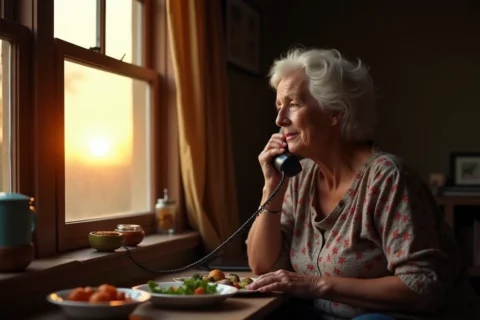
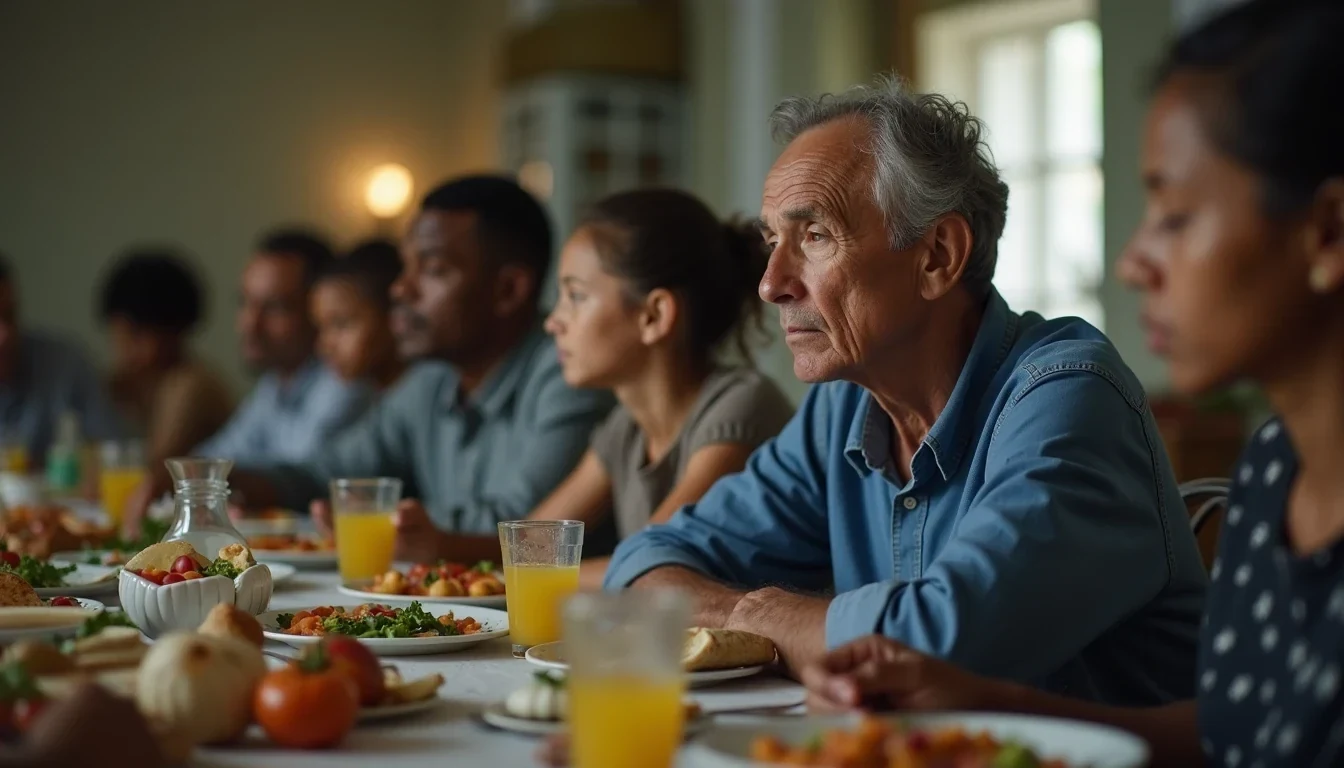
A crowded room can still leave a person feeling invisible. This uncomfortable truth sits underneath Africa’s reputation for warmth, kinship, and shared life. The World Health Organization reported in 2025 that loneliness affects nearly one in four people in lower-income countries, with African rates estimated at about 24%. This is a direct challenge to the comforting idea that extended family, neighborly contact, and ubuntu automatically protect people from isolation.
The problem is not absent communities, but that many people are surrounded and still unsupported. They attend church, family gatherings, and street meetings, then go home with the real weight of grief, debt, depression, or divorce still locked inside them. Presence is easy to count; psychological safety is harder to find.
Belonging is not the same as being held
A person can belong to a family, a congregation, and a neighborhood and still have no place to tell the truth. That gap sits at the center of loneliness in communal cultures. Belonging means you are recognized. Support means you can be honest without being punished for it.
Across many South African homes, community life still carries real strength. People help with childcare. Relatives pitch in when money is tight. Neighbors notice when someone disappears. Church communities often become the first line of practical care.
Communal life can also become a stage. If everyone is watching, people learn to edit themselves. They show up with the right clothes, the right smile, and the right words about how blessed they are, even when they are barely holding things together. A man whose business has collapsed may still be expected to sound confident. A woman going through a divorce may keep quiet because she does not want her story repeated before Sunday lunch is over. Someone grieving a parent may be told to stay strong and not upset the family. The group remains intact, but the person inside it goes unheard.
Community can feed a person, and it can also train a person to perform.
Pressure often hides behind respectability
Urbanization has changed the texture of support. Families are spread across provinces. People move for work, for school, for a rent they can just barely afford. Traditional extended households have weakened in many places, and unemployment keeps pressure high. When money is tight, the expectation to look successful becomes even harsher. If you are already carrying other relatives, the last thing you want is to admit that you are struggling too.
Loneliness deepens in plain sight. A person may be answering WhatsApp messages all day, sitting in a packed taxi, sharing meals, attending funerals, and still feel completely alone. The social calendar is full, but the inner life has nowhere to land.
Religious settings can add another layer. Faith can be a shelter, but it can also become a place where people feel forced to present themselves as spiritually polished. Doubt gets hidden. Depression gets renamed as a bad season. Financial failure gets treated like a private embarrassment. Grief is rushed. Sorrow is dressed up so it does not make anyone else uncomfortable.
Ubuntu is beautiful language. It speaks about shared humanity and mutual recognition, but it does not erase the social pressure to appear fine. In some homes and communities, the message people actually absorb is simpler and colder: be useful, be grateful, be strong, do not burden others. That lesson can keep a person silent for years.
Silence has a cost the body keeps
Hidden pain does not disappear because it is not discussed. It usually turns into something else. People carry it as anxiety, exhaustion, irritability, numbness, or a sense of being cut off from their own lives. Some become so accustomed to self-protection that they can no longer ask for help plainly. Others stop trusting that honesty will be met with care.
The cost is not only emotional. It also shows up in relationships. When someone has learned to manage a public face at all times, intimacy starts to feel risky. Even close friendships can stay shallow. If every conversation has to be edited for respectability, no one is actually meeting the real person.
Loneliness often sits inside communities rather than outside them. It is not the absence of contact. It is the absence of places where a person can say, “I am not coping,” and not be met with gossip, sermonizing, or a lecture on gratitude. Without that kind of honesty, the same community that offers meals and practical help can still leave someone feeling unseen.
Safe spaces need more than good intentions
People need rooms where they do not have to perform success, faith, or resilience. For some, that is a therapist’s office. For others, it is a grief group, a trusted friend, a careful pastor, or a spiritual practice that makes room for belief work and emotional release. ThetaHealing, for readers drawn to that path, is often used as a private space for noticing inherited patterns, naming limiting beliefs, and softening the pressure to keep everything tightly held.
The quality of the space matters, not the label on the door. A safe place usually has a few simple features:
- confidentiality
- no gossip
- no scorekeeping
- room for tears, doubt, and unfinished feelings
- a listener who does not rush to fix the story
That kind of setting gives people a chance to come undone without losing dignity. For someone who has spent years acting fine for the family, the church, or the street, that can feel unfamiliar at first. It can also be the beginning of real relief.
Communal life in South Africa is still powerful. It still feeds people, shelters people, and keeps people going. But the country cannot keep pretending that togetherness automatically produces comfort. A crowd is not the same thing as care. A family name is not the same thing as emotional safety. The people who are most visible in a community are not always the ones being held by it.