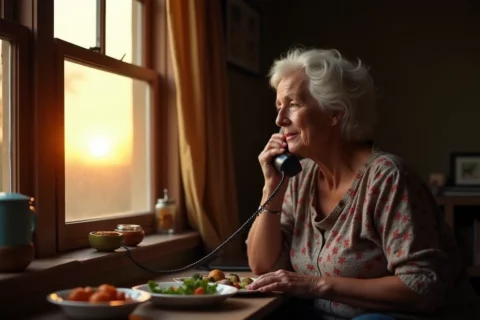

A well-meaning relative tells you to be grateful for what you have while you are still reeling from a loss. The words land like a command to tidy your grief into a cupboard so no one has to look at it. That is not gratitude; it is a gag.
Gratitude has been sold as a universal solvent, capable of dissolving debt, death, and betrayal with a daily list of three good things. The science is more modest and far more honest.
What the Research Actually Says
A forthcoming meta-analysis in the Proceedings of the National Academy of Sciences, due in 2025, gathered evidence across 28 nations from 145 separate investigations. The findings confirm that writing gratitude letters or setting aside time for deliberate appreciation nudges well-being upward, but the shift is small. These habits can brighten mood and deepen social connection for some people on an ordinary Tuesday. They do not give anyone grounds to cast gratitude as a cure-all for bereavement, financial collapse, post-traumatic stress, or major depression. It helps, but it does not heal.
The Difference Between Choosing Thanks and Being Silenced
There is a vast gap between noticing that the sun warmed your shoulders during a difficult week and being told you have no right to your anger because others have it worse. One practice widens your view; the other narrows your voice.
Authentic gratitude is something you reach for when you are ready. It lets you see what still stands even while something else has fallen. Demanded gratitude works in reverse. A manager insists you should feel lucky to have a job while refusing to address unsafe hours. A partner recites everything they have done for you to shut down a conversation about neglect. A family member weaponises the phrase ‘after all I have done’ to keep a painful secret buried. In each case, the demand for appreciation is a diversion, not a virtue. You can hold both truths at once: the friend who checked in was a lifeline, and the wound is still open.
When Gratitude Becomes a Bypass
Trying to use gratitude to escape grief or trauma is like applying a plaster to a broken bone. The pressure to appear thankful forces valid emotions underground. Repressed anger does not vanish; it converts into chronic tension, anxiety, or a numbness that masquerades as peace. Financial terror does not soften because you listed your possessions, and a gratitude journal cannot process an unspoken betrayal. These challenges need direct attention, practical support, and sometimes professional intervention. Gratitude can accompany that work, but it cannot replace it.
Holding Both Truths
Real appreciation grows in soil that has been cleared, not paved over. This means acknowledging the flat tyre, the betrayal, or the empty account before you turn your gaze toward anything else. In practices like ThetaHealing, the focus falls on releasing the subconscious beliefs that make suffering feel forbidden. Once those beliefs lose their grip, gratitude stops feeling like an obligation and starts feeling like fresh air. You recognise the neighbour who listened without pretending the conversation never hurt. You notice the warm morning without denying the difficult night. What is good and what is painful can share the same room. Neither has to cancel the other.