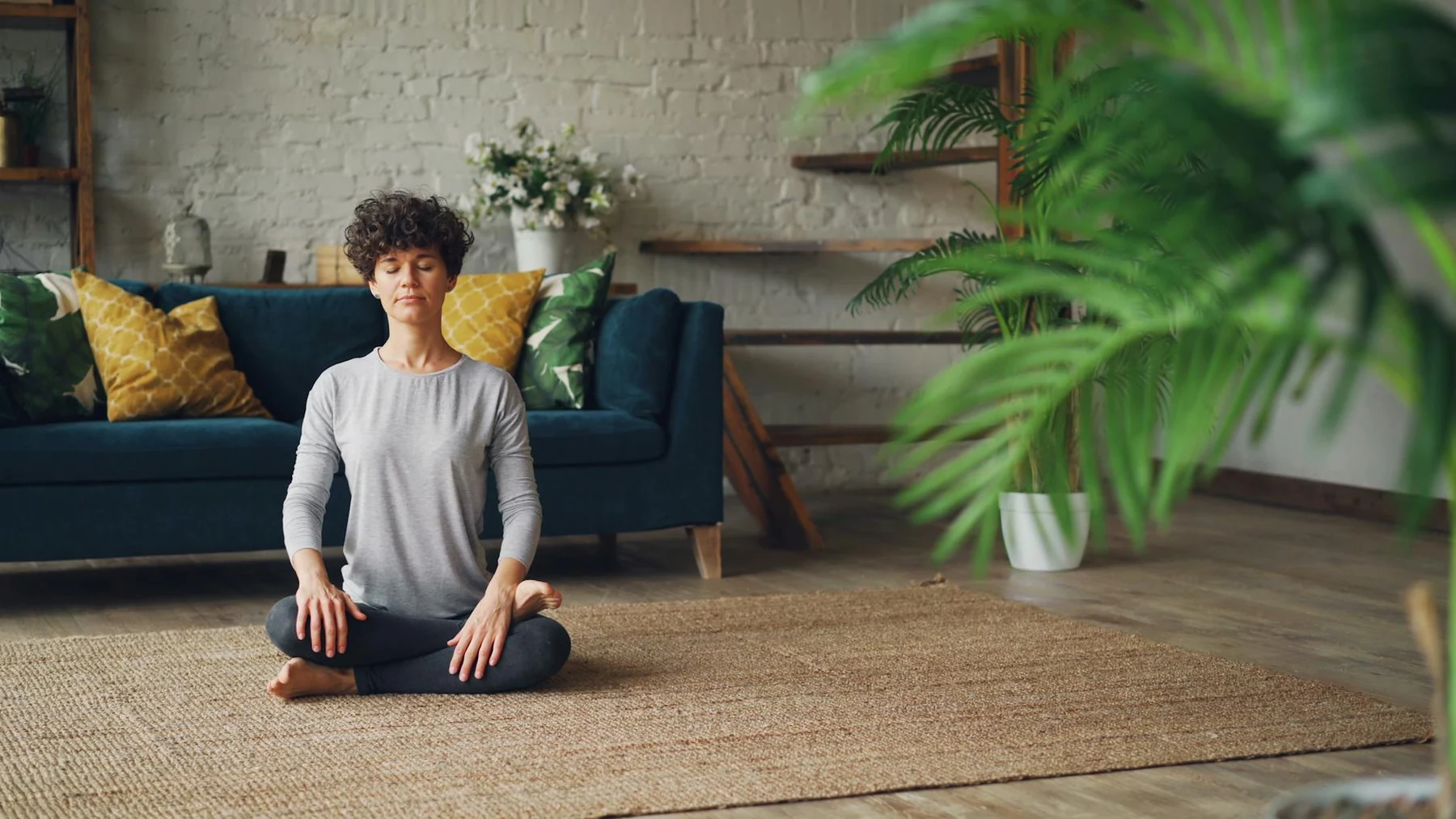

A home can feel like a place to recover or a place that keeps your nerves on a short leash. The difference is often small on paper: less clutter, softer light, warmer textures, surfaces that feel chosen rather than thrown together. Yet the body reads those details quickly. It notices order, quiet, and materials that feel familiar, then eases its grip.
A room with clear lines, gentle lighting, and real timber can change the mood of a day in a way that a motivational quote never will. A space like that lowers the background noise. For someone doing emotional release work, subconscious pattern work, or simply trying to stop carrying the whole house in their chest, that reduction in friction helps.
Your surroundings speak to your nervous system
Clutter is not just visual mess; it asks the brain to keep tracking unfinished jobs, half-done tasks, and loose ends. A pile of laundry, a crowded counter, or a room full of objects with no clear home can leave a person feeling oddly tired before the day has even started. Clean, predictable spaces do the opposite. They give the mind less to sort through, which frees attention for real thought instead of low-grade scanning.
Light plays a similar role. Sunlight supports the body’s day-night rhythm, and soft warm lighting can make evenings feel less sharp. Harsh lighting tells the nervous system to stay alert. Gentler light tells it to stand down. Over time, that shift supports steadier sleep, calmer mornings, and better concentration. When people talk about feeling “settled” in a room, they are often describing a body that no longer feels under pressure to brace itself.
Living conditions shape mental health as a baseline. Unsafe housing, constant noise, or a chaotic home can keep someone in survival mode and make decision-making harder. Not every difficult life leads to the same outcome. Some people stay remarkably resilient in poor conditions. Some people in affluent suburbs struggle with depression, anxiety, or substance use. Genetic vulnerability, trauma, isolation, and pressure to perform can show up anywhere. Still, a stable environment gives people more room to think, recover, and choose differently after setbacks.
Why wood feels so steadying
Natural materials carry a kind of quiet authority that plastic never quite manages. Real timber, especially when the woodgrain is visible, gives the eye something complex without being chaotic. The lines, knots, and growth rings are irregular, but they are not random. The brain reads that as organised information, and organised information tends to feel safer than sterile repetition.
Wood is often experienced as calming because it looks alive in a way mass-produced surfaces do not. It also behaves differently under the hand and in the room. Wood tends to feel warmer because it does not pull heat away as quickly as stone or metal. It softens echoes, which can make a space feel less aggressive. Some woods, including cedar, pine, and oak, also give off subtle earthy compounds that add to the sense of groundedness.
A cheap laminate surface tries to imitate that effect, but the imitation usually gives itself away. The repeated pattern looks pasted on rather than grown. Real wood has variation that feels honest. The body responds to authenticity differently from visual trickery. A hand-planed table, exposed timber framing, or a custom live-edge counter can create a stronger emotional connection than something that simply looks finished.
How calm spaces help emotional work go deeper
A restful room does not do inner work for you. It reduces interference. When the body is less tense, the mind can stay with a feeling long enough to understand it instead of escaping it. That is valuable in any healing process, including ThetaHealing sessions, where attention to belief patterns and emotional release depends on a person being able to remain present.
People often feel clearer in an orderly room than in a cluttered one because the mind is less divided and the body is less braced. With fewer sensory interruptions, it is easier to notice what is actually happening underneath the surface. For someone trying to change old emotional habits, that can be the difference between repeating the same reaction and meeting it with enough space to choose differently.
A few simple design choices can support that state:
- Keep surfaces clear enough that the room feels easy to enter.
- Use warm, indirect light in the evening.
- Bring in natural textures through timber, cotton, wool, stone, or plants.
- Let one or two objects carry real meaning rather than filling every corner.
- Choose pieces that age well instead of pieces that only look good when untouched.
Craftsmanship becomes part of emotional wellbeing. People invest differently in objects they have helped create or shape. A table assembled, repaired, or chosen with care tends to carry more emotional weight than something bought in haste. Real wood also gets better with use in a way that flat-pack finishes rarely do. Scratches on timber can become patina. Wear can read as history. This is close to the Wabi-Sabi view of beauty, where imperfection is not treated as damage but as a record of life.
A house can either drain you or hold you
The room you live in does not decide your future. It does not cancel trauma, erase financial strain, or override biology. But it does set the tone for how hard every day feels. A home that is calm, warm, and thoughtfully made gives the nervous system a place to land. That can improve focus, reduce strain, and make emotional release easier to access.
For people doing deeper spiritual or inner work, that support is not decorative. It shapes what the body believes is possible. A stable space says there is room to breathe, room to think, room to change. Sometimes that is the first honest sign that healing has started.