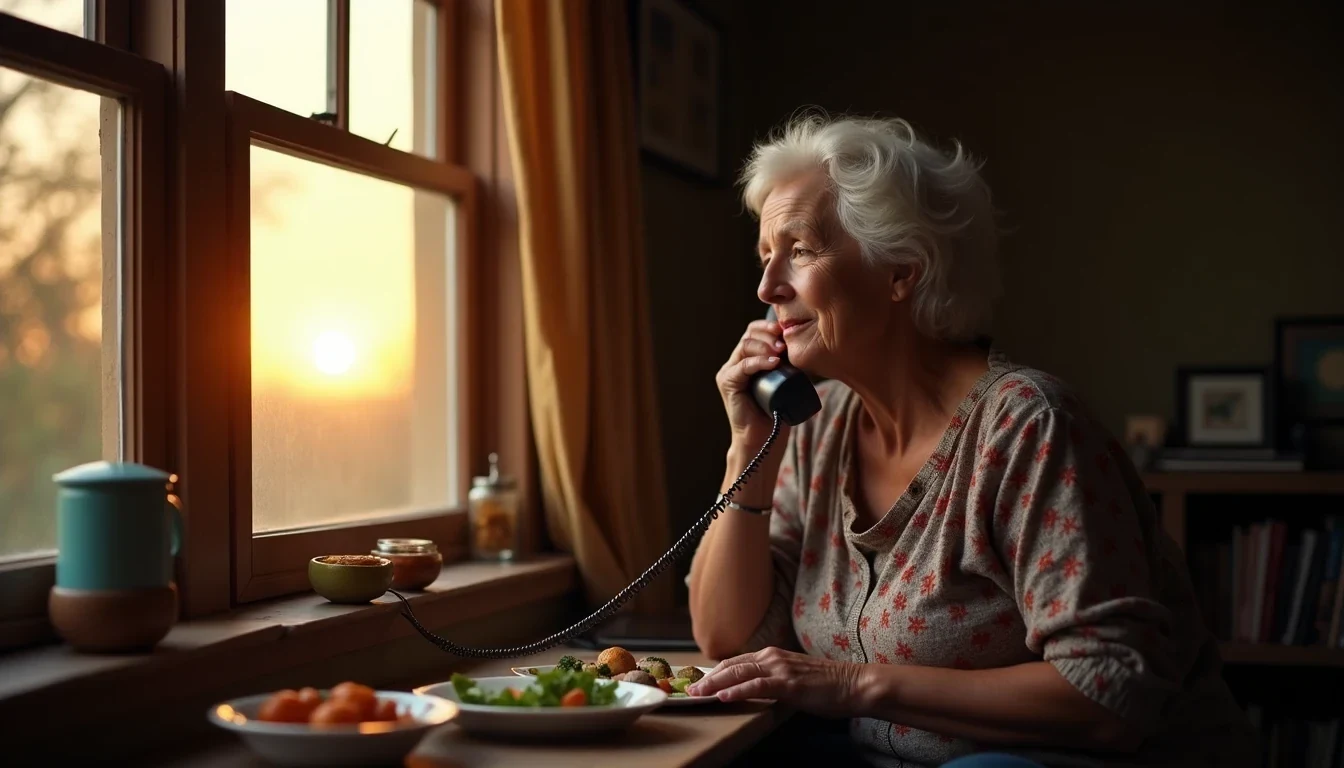
Living alone can be a choice, a pause, a relief. For some older people, it means quiet mornings, their own routines, and no one stepping on the edges of their day. For others, the same arrangement becomes a slow retreat from ordinary contact. Days pass without a proper conversation, and nobody notices the gap until something goes wrong.
A longitudinal study of 3,707 adults aged 40 and older in rural South Africa, followed from 2015 to 2022, found that the share living alone rose from 9.3% to 12%. It also found an association between living alone and depressive symptoms, loneliness, impaired cognition, tobacco use, and mortality. The researchers did not present that as proof that living alone causes those outcomes in every case. They were drawing a pattern, not handing out a single explanation.
When being alone is a choice
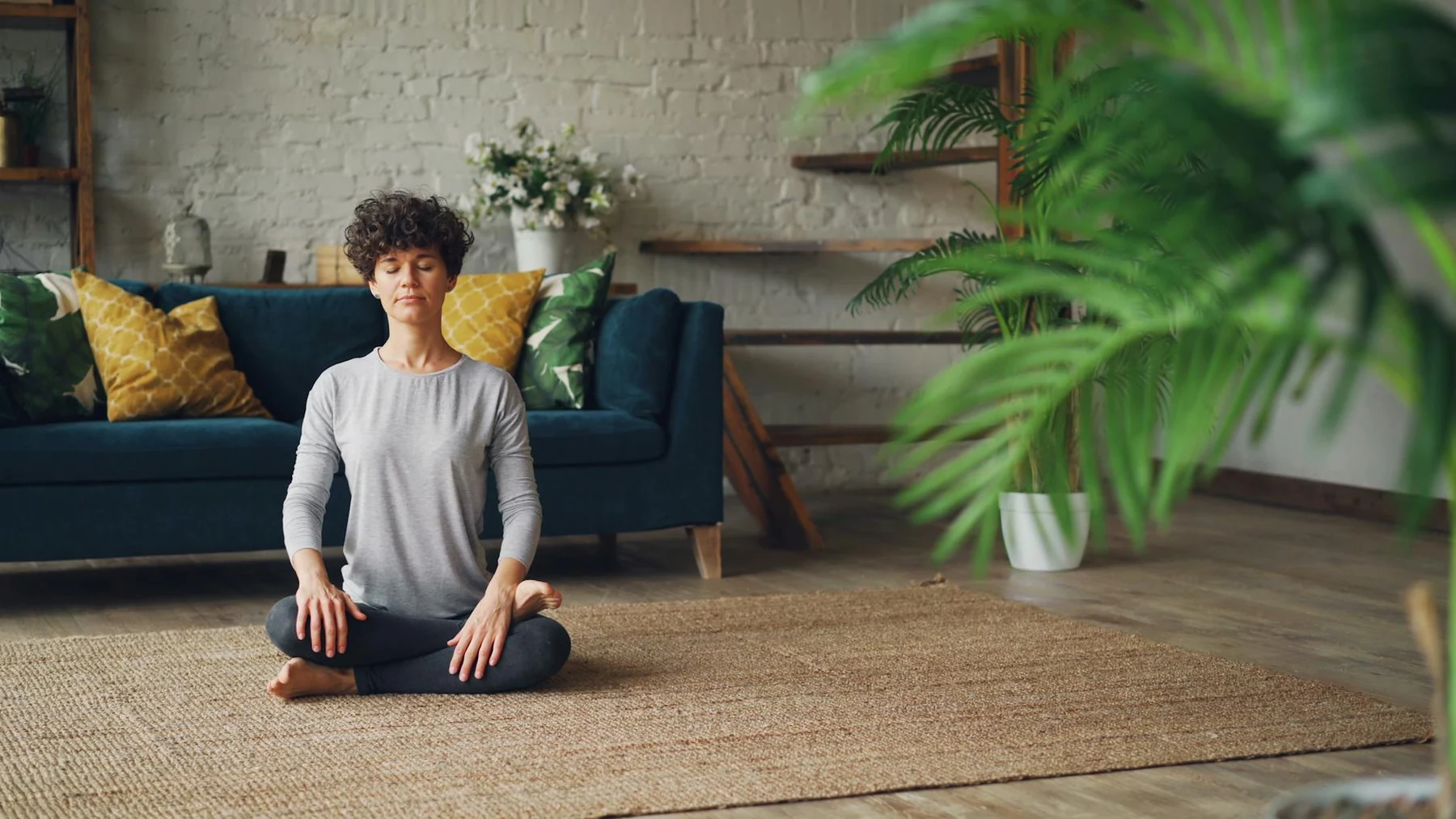
An older woman lives by herself and keeps a full rhythm. Her sister stops by with groceries. A neighbour knows when to check in. She goes to church, catches a lift when she needs one, and still has a place in other people’s week. She may live alone, but she is not cut off.
People miss this when they flatten living alone into loneliness. Solitude can be steadying when it is chosen and supported. It can give a person privacy, control, and a little breathing space. In spiritual work, that kind of space is often where old beliefs come to the surface. A person hears their own thoughts more clearly. They notice which habits have been running on autopilot. They begin to ask whether they are resting or hiding.
The difference is agency. One person lives alone because that is how they prefer it. Another ends up there because of bereavement, illness, money problems, or distance. The silence around them starts to grow heavier than they expected.
When independence starts to fray
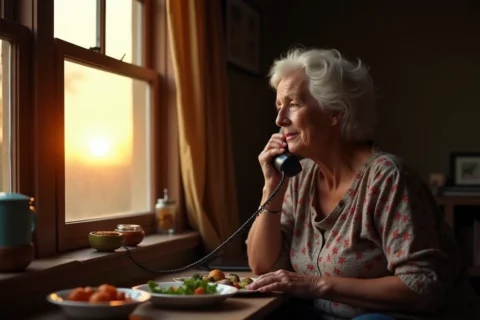
A few kilometres away, another older adult lives alone with no easy backup. The nearest relative is far off. Transport is unreliable. The phone may work, but a phone call is not the same as a door opening. If she falls ill, misses meals, forgets medication, or stops showing up where she usually is, there may be nobody close enough to notice quickly.
Isolation becomes a practical risk. The study linked living alone with depressive symptoms, loneliness, poorer cognition, tobacco use, and higher mortality. This is a serious cluster of outcomes for any older person. The point is not to panic about every person who lives alone. The point is to see how easily ordinary independence can tip into vulnerability when the support around it thins out.
Several things can push that slide along:
- bereavement that removes a spouse or close companion
- illness that makes travel or conversation harder
- poverty that limits transport, food choices, and social visits
- remote living that turns distance into a daily barrier
- shrinking social circles as friends age or move away
A person does not have to be completely alone to feel isolated. They only need to become hard to reach.
What community actually looks like
Community is not a slogan. It is the neighbour who asks why the kettle has stayed cold. It is the church member who notices a missing face. It is the friend who knows your usual routine well enough to hear when it changes. For someone living alone, those small ties are often the difference between being private and being unprotected.
In practical terms, connection gives more than company. It brings transport, errands, a second set of eyes, and someone who can say, “You do not sound like yourself.” It also gives a person a role. A grandmother who helps with a group, attends a prayer meeting, or hosts tea once a week is still embedded in other lives. Her home may be quiet, but her presence is not invisible.
Visibility is the real question underneath all of this.
Who would notice if the curtains stayed shut for too long? Who would wonder if the bread was still untouched? Who would realise that the person who always greeted the taxi driver had stopped coming out?
For a lot of older adults, the answer depends on whether they have built a life around ordinary contact, not just a roof and four walls.
> A small check-in > If someone lives alone, the useful question is not whether they are independent. > It is whether their life still has enough touchpoints for another person to notice a change.
What to look for in your own life
A home can be calm and connected at the same time. It can also be quiet in a way that is not healthy. The line between the two often shows up in routine. If a person has visitors, a lift, a neighbour, a standing appointment, or a group that expects them, they are easier to reach. If days are unmarked and nobody would miss them for weeks, the risk is already there.
For anyone doing inner work, this is a useful place to pause. Ask what kind of independence you are protecting. Ask whether your solitude leaves you rested or sealed off. Ask whether your beliefs about being self-sufficient are helping you, or keeping you from asking for support.
The deeper measure is simple. Not how many people know your name. Not how neatly you manage on your own. The more revealing question is whether your life is still woven into other lives tightly enough that a quiet change would be felt.
Living alone can hold dignity. It can also hide distress. The difference is usually not the address. It is the presence, or absence, of people who would notice when the ordinary pattern breaks.