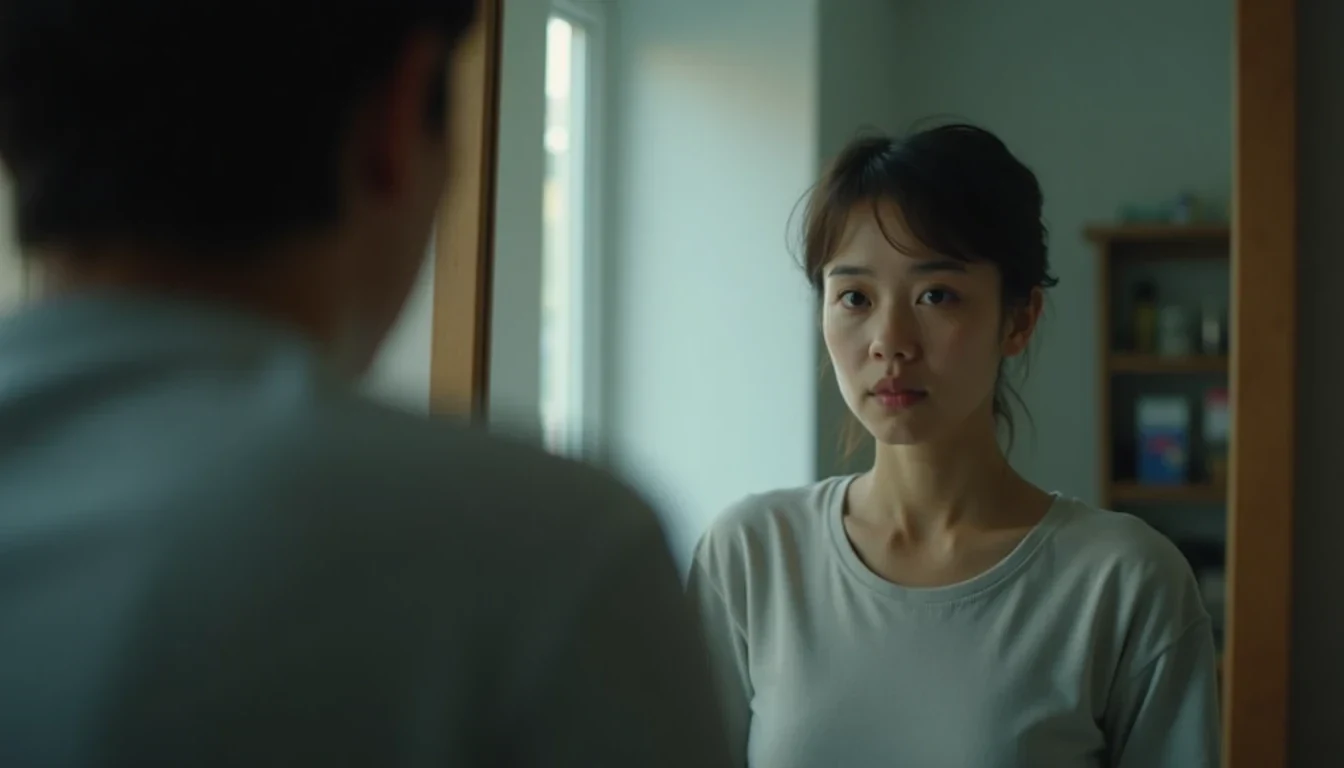

Some people lie awake at three in the morning delivering the perfect comeback to a conversation that happened three years ago. The other person is asleep. They have moved on. But in the dark, the argument continues, refined and re-litigated, with new evidence presented and old wounds reopened. This is not healing. It is a private courtroom where the judge, jury, and prosecutor all share your face, and the defendant never wins because the defendant was never invited to attend.
A 2025 meta-analysis of 81 studies drew a sharp line between what actually reduces anger and what merely performs the work of reduction. Anger persisted where people ruminated, avoided, or suppressed what they felt. Acceptance and cognitive reappraisal, by contrast, correlated with measurably lower anger, though the researchers noted substantial variation across individuals and cultures. The finding is not surprising to anyone who has spent an evening replaying an offense. The body does not distinguish between a remembered conflict and a present threat. Cortisol and adrenaline release anyway. The sympathetic nervous system engages. You lie still in bed while your chemistry insists you are in danger.
The Courtroom Nobody Leaves
The private courtroom operates with strange logic. You enter to find resolution, yet you never exit with it. Inside, conversations are rewritten, ideal responses are honed to surgical precision, and the other party loses every imaginary appeal. The prosecution rests, the verdict is delivered, and still you remain in the building. The ritual feels like problem-solving. It mimics the structure of productive thought: evidence, analysis, conclusion. But productive reflection yields a decision, a boundary, a changed behaviour, or a released grievance. Rumination yields only repeated emotional activation, the same physiological spike without the discharge.
The distinction matters in the body. When reflection works, anger diminishes over time. Clarity replaces agitation. You know what you will do differently, or you know what you will no longer tolerate, and the matter begins to settle. When rumination takes hold, the same thoughts loop with diminishing returns. No new insight arrives. The emotional state intensifies or simply stagnates at a low-grade hum, draining capacity for presence, joy, or resilience against daily stressors.
Who Pays the Rent
Who benefits from your continued occupancy of the past? The offender has likely proceeded with their evening, their month, their life. Meanwhile, you allocate mental real estate to their prosecution. They occupy your present without application or notice. The courtroom feels like self-protection, a vigilance against being wounded again. But vigilance without boundary becomes mere exhaustion. The 81-study meta-analysis found that acceptance, not sustained surveillance of old harm, aligned with reduced anger. Acceptance does not mean approval. It means acknowledging what occurred without requiring the mind to re-enact it indefinitely.
South Africans know something about carrying unresolved narratives. The country holds public and private reckonings that resist tidy closure. Individual experience mirrors this in miniature: the colleague who undermined you, the family member whose betrayal still stings, the stranger whose casual cruelty became unforgettable. Some grievances deserve sustained attention. Others have simply become habitual tenants, and the lease renews automatically unless someone examines the terms.
Breaking the Session
Recognition precedes release. The first step is noticing when reflection has become rehearsal, when problem-solving has become performance. Productive reflection has an endpoint. You reach a conclusion, however provisional, and the emotional temperature drops. Rumination feels endless because it is designed to be: the courtroom never adjourns.
Several paths lead out. Mindfulness practices create distance between observer and thought, allowing the mental movie to play without requiring full emotional participation. Cognitive reappraisal, one of the strategies correlated with lower anger in the meta-analysis, involves reinterpreting the event or the other person’s constraints without excusing the harm. Physical movement, creative engagement, and direct social connection shift the nervous system out of its loop. These are not distractions. They are interventions in a physiology that has been tricked into believing the past is present.
For those whose rumination is anchored in deeper patterns, spiritual modalities can address what sits below the recurring thought. ThetaHealing works with the subconscious beliefs that sustain resentment: the conviction that vigilance equals safety, that release equals permission, that anger is the only legitimate response to violation. These beliefs often form early and operate unseen, generating the fuel that keeps the courtroom lit through the night. Identifying and clearing them does not erase memory. It removes the compulsion to return.
The Verdict That Actually Ends Things
The private courtroom promises justice and delivers exhaustion. It promises protection and delivers a body stuck in fight-or-flight. The 2025 research confirms what many sense intuitively: the strategies that reduce anger are not the ones that feel most immediately satisfying. Acceptance lacks the sharp pleasure of a well-delivered imaginary retort. Cognitive reappraisal lacks the moral clarity of righteous prosecution. But they have something rumination cannot offer: they end.
The healing question is not whether the offense was real. It was. The question is whether repeating its narrative serves the person you are becoming, or whether it merely extends an occupancy agreement with someone who never asked for the space and does not know they hold it. Productive reflection builds a boundary and walks away. Rumination builds a courthouse and forgets to leave.