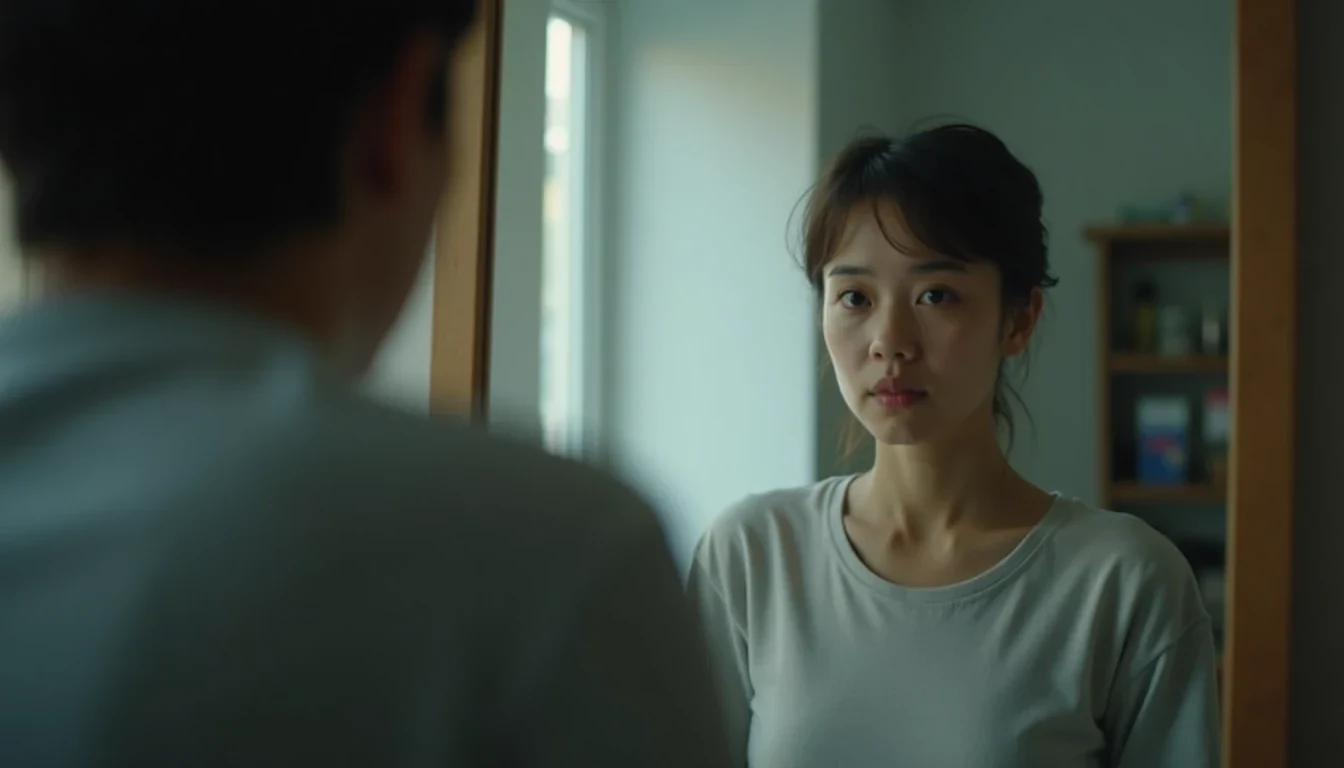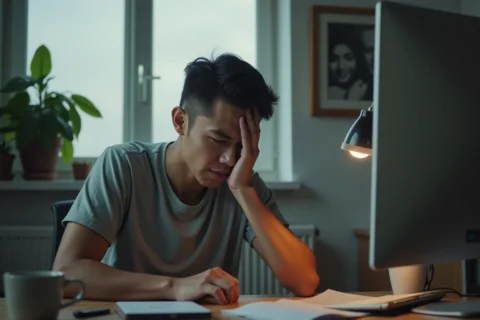

Telling someone to let it all out rarely comes with a map of where, or with whom, that release will be safe. So the person stands at the funeral reception with dry eyes and a steady handshake, drives home in silence, and only weeps once the garage door closes. The feeling was delayed, not denied. That delay can be a form of care, not a symptom of damage. We have been taught that honesty looks like immediacy. The tears should fall, the voice should crack, the truth should spill before it curdles. But human interaction is more textured. A feeling can be real and still require a waiting room.
What the Global Evidence Actually Shows
A 2025 meta-analysis in Nature Human Behaviour reviewed 249 articles spanning 37 countries and over 150,000 participants. The researchers wanted to see if emotional regulation advice travels well across borders. It does not. Cognitive reappraisal, the mental act of reinterpreting a stressful moment, was generally tied to stronger wellbeing. Suppression, the active holding in of a reaction, more often appeared alongside anxiety and low mood. Yet the size of these effects changed depending on cultural context. In settings where emotional reserve protects group harmony, suppression carried less personal penalty than it did in cultures that prize open individual expression. No single strategy works identically in every room. Context edits the outcome. A funeral in one country is not a funeral in another. A boardroom in Johannesburg is not a boardroom in Tokyo. The feeling itself may be universal, but the container we pour it into is not.
When a Pause Serves You
Temporary restraint is not denial. It is a scheduling decision. The person who absorbs difficult news at work, finishes the meeting, and then processes the shock during a walk that evening is not building a wall. They are choosing a safer shoreline. In crowded family homes and professional settings, displaying every ripple of feeling can shift attention away from the collective moment. Holding a steady voice during a difficult conversation, or offering calm to a frightened child before attending to your own panic, are forms of emotional timing. The body still registers the feeling. The nervous system still knows. But the expression is deferred until the environment can hold it without adding new harm. That deferred processing only works if the promise to return is kept. The feeling must be met later, in a chosen place, with enough privacy to let it move through. Otherwise the pause becomes a locked door.
When Holding On Becomes a Habit
Problems start when the pause has no endpoint. Someone who repeatedly swallows grief, anger, or fear until it feels automatic may no longer notice they are doing it. The strategy becomes a subconscious belief: I do not have permission to feel this, or no one here can handle me. Over time, this chronic disconnection shows up in the body as tension, in relationships as distance, and in the self as a flatness that looks like peace but feels like exile. That same meta-analysis found suppression tied to poorer mental health overall, and that risk steepens when the behaviour is constant rather than situational. A single held breath at a funeral protects the ceremony. A lifetime of held breaths teaches the nervous system that air is optional. Recovery then involves not just expressing the backlog, but questioning the underlying belief that safety requires permanent silence.
How do I know if I am pausing or suppressing? Pausing leaves a timestamp. You intend to return to the feeling at a specific point, and you do. Suppression skips the timestamp. The feeling is diverted so smoothly that you forget it was there until it surfaces as a headache, a numbness, or a sudden overreaction to something small. If you are unsure, ask yourself when you last allowed that emotion to complete its cycle. If the answer is vague, you may be storing more than you are processing.
Choosing Where the Feeling Lands
Emotional honesty is closer to curation than confession. It asks you to become literate in your own thresholds. Who has earned the right to see this? Which rooms can tolerate the weight of it? Is this moment for action, or for witnessing? Vulnerability is a resource. Spent carelessly, it leaves you exposed in places where no one knows how to respond. Withheld reflexively, it hardens into isolation. The middle path is a conscious choice. You might decide to cry with a friend on Saturday instead of leaking tears into a Monday deadline. You might recognise that a particular relative cannot meet your anger without punishing you for it, so you process the anger in a journal or a session before deciding whether to speak. You might simply need ten minutes in the car park before walking into the house. That is not dishonesty. It is self-respect. It is the work of noticing which patterns were installed to protect you, and which ones now limit you, so that feeling becomes possible again on your own terms.
The goal is not to perform feelings for an audience, nor to seal them away for good. It is to trust yourself enough to decide the timing. Some moments ask for steadiness. Others ask for release. Knowing the difference, and owning the choice between them, is what makes emotional life sustainable.